Insights and updates from the world of technology
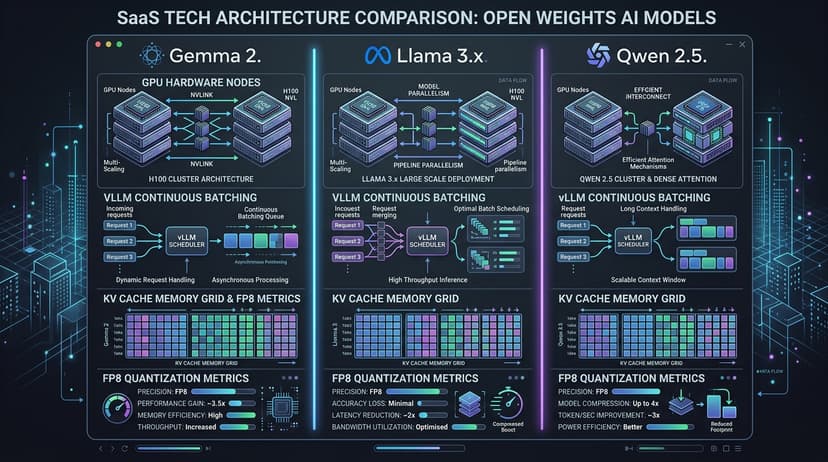
Performance, license, capability, and fine-tuning benchmarks for enterprise deployments.
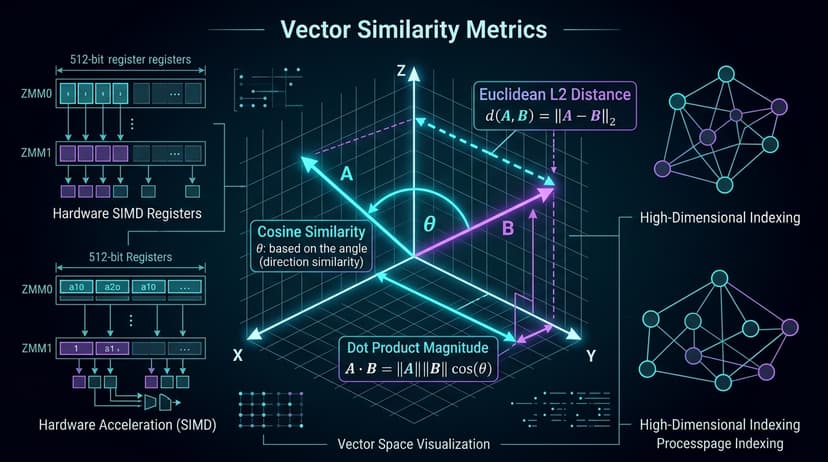
Understanding index behaviors, normalization benefits, and hardware-level instruction sets.
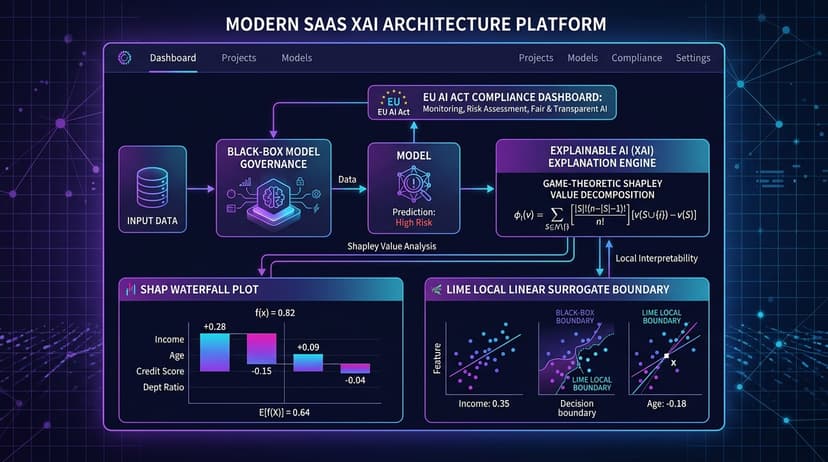
Using game-theoretic approaches to decode feature importance in complex black-box models.
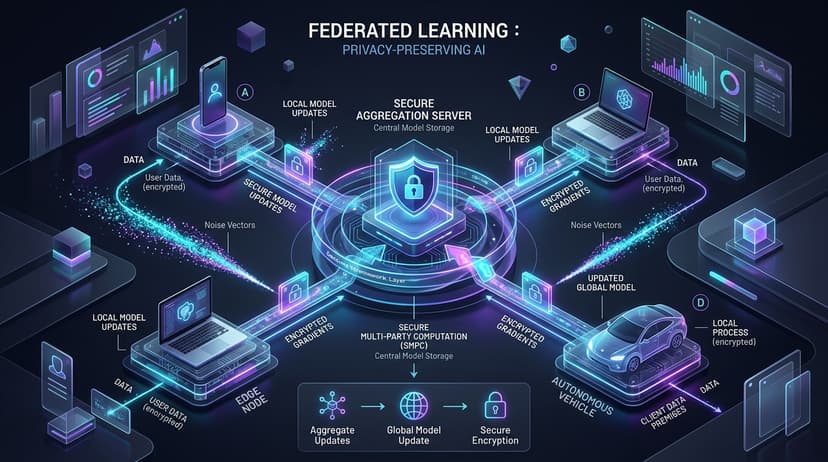
Implementing differential privacy and secure aggregation algorithms across client nodes.
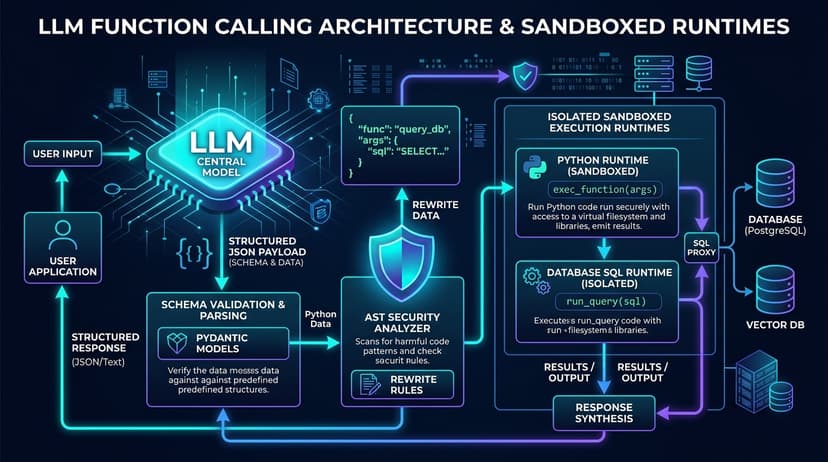
Designing sandboxed runtimes to execute Python code or SQL generated by LLMs.
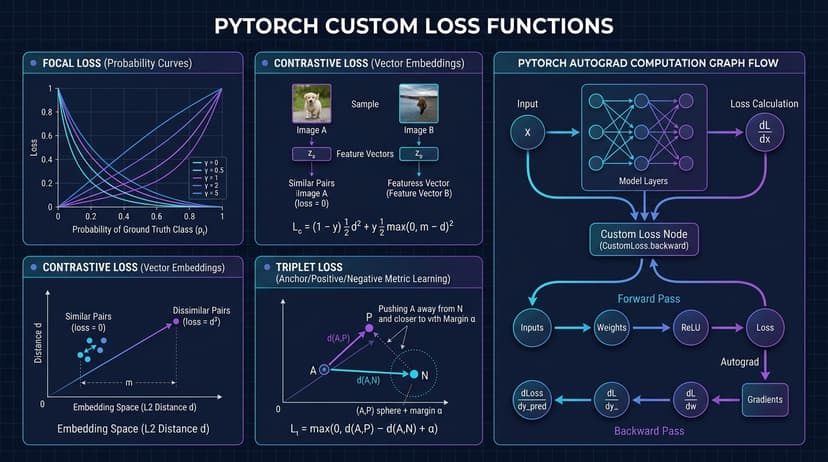
Implementing focal loss, contrastive loss, and triplet loss for specialized similarity models.
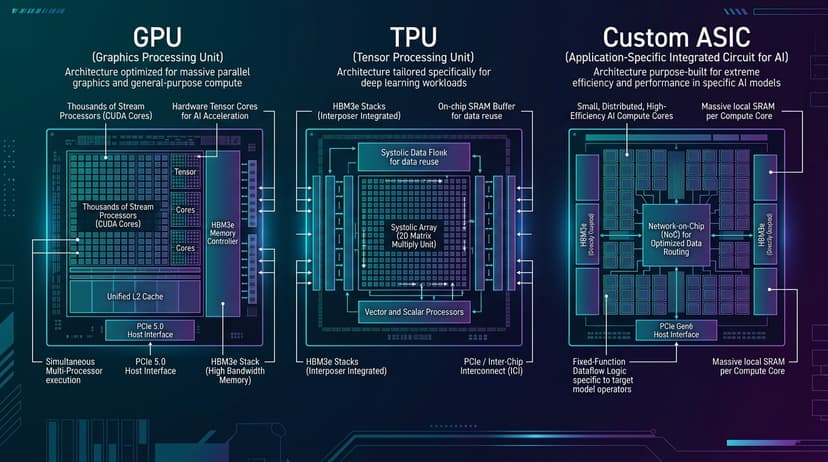
An analysis of compilation architectures, memory bandwidths, and cost-efficiency profiles.
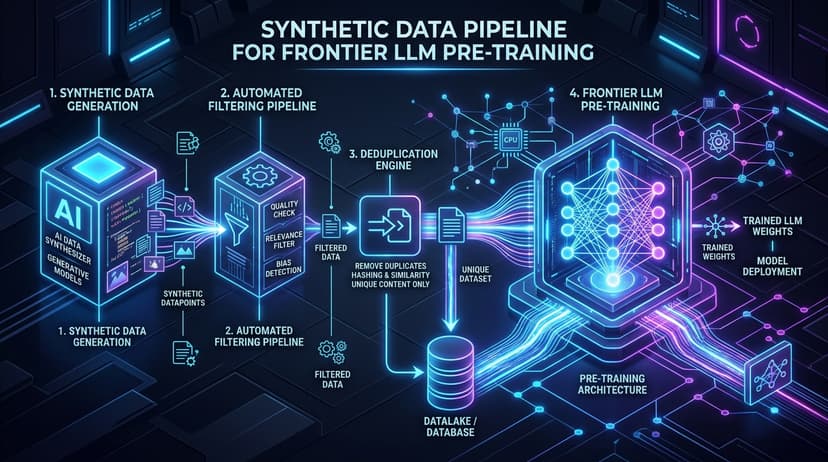
How to generate, filter, and balance synthetic text while avoiding model collapse.
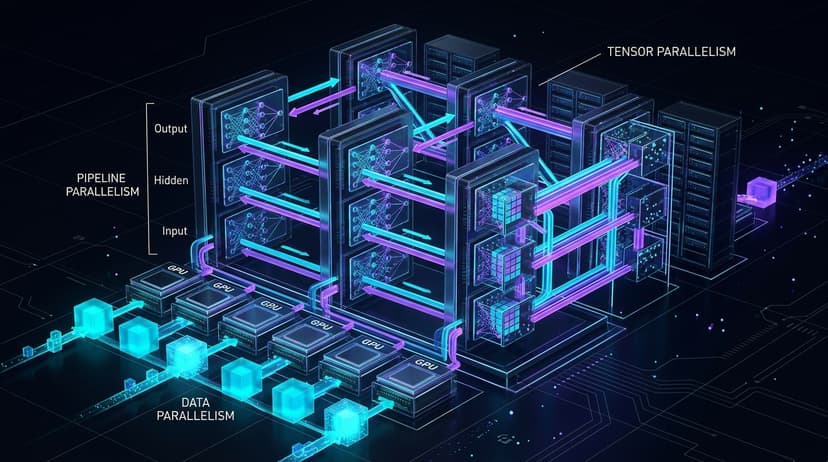
How PyTorch FSDP and Megatron-LM distribute billions of parameters across clusters.
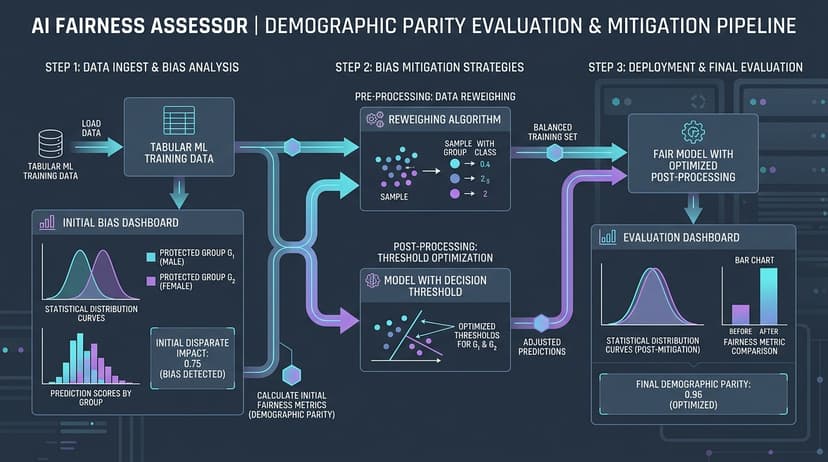
Mathematical approaches to identify, measure, and mitigate predictive bias in training datasets.
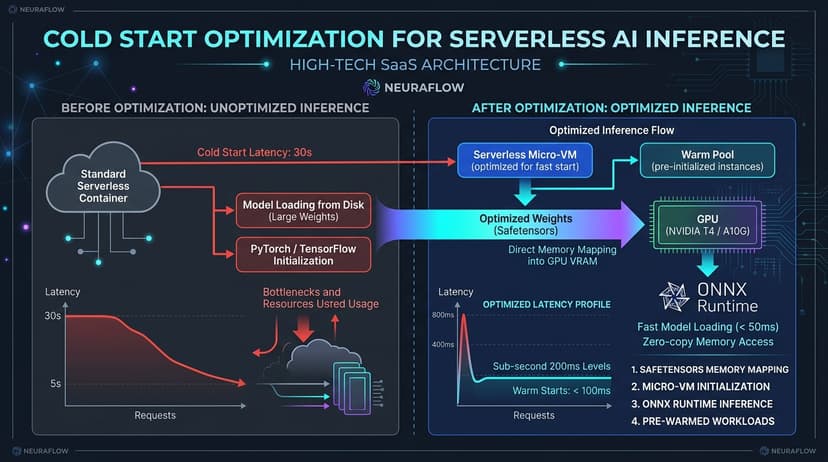
Strategies to optimize ONNX/PyTorch load times in serverless container environments.
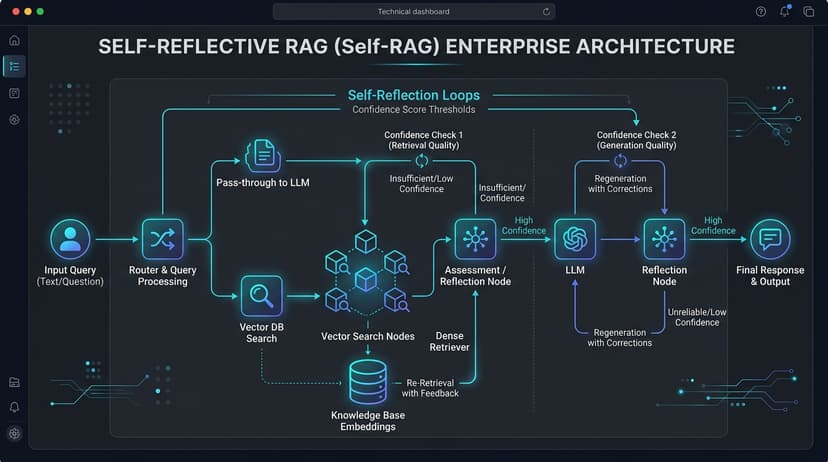
Allowing agents to query vector stores dynamically only when confidence scores drop below thresholds.
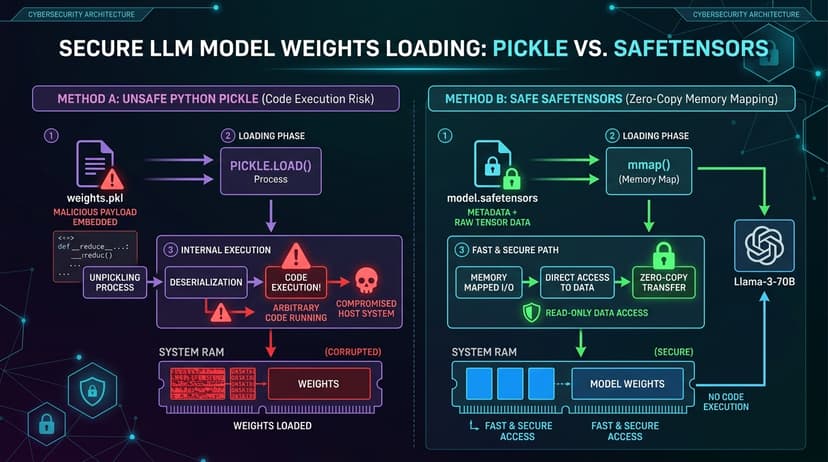
Why pickle files are dangerous and how to validate weights safety before execution.
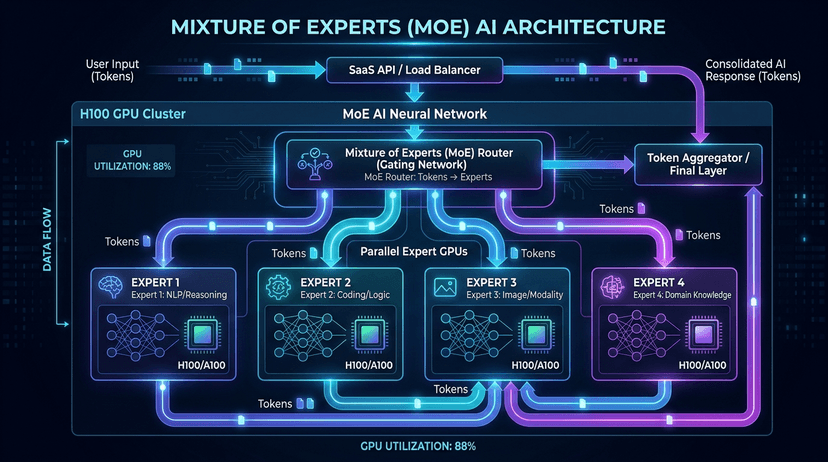
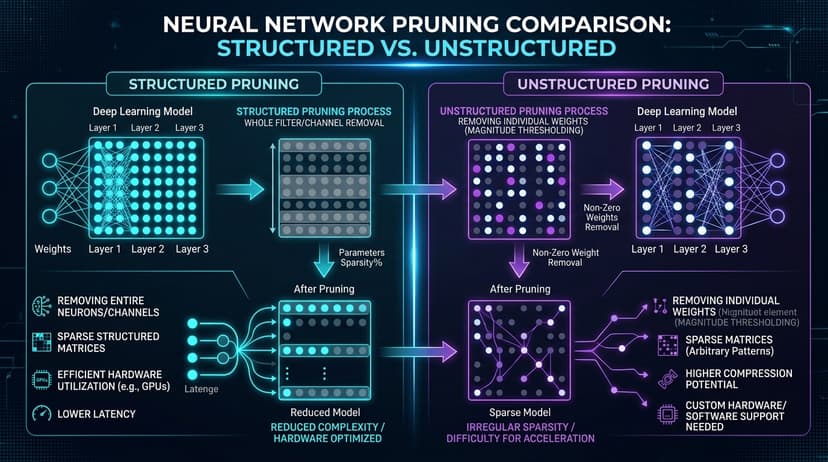
Managing sparsity, expert load balancing, and VRAM distribution in distributed environments.
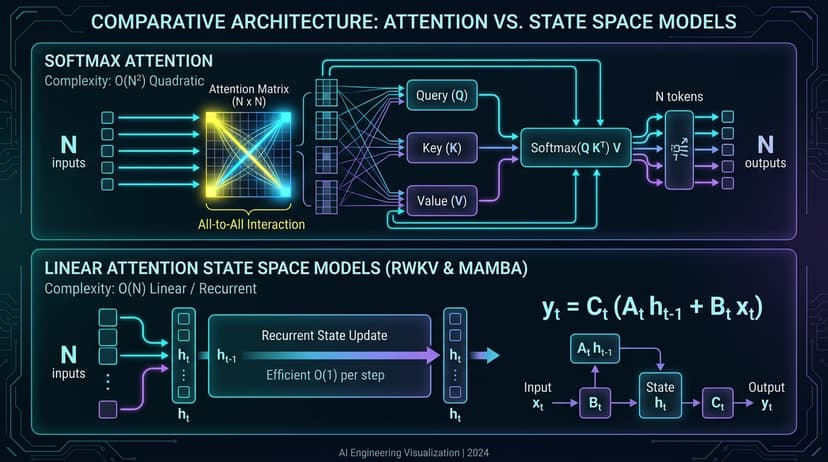
A deep dive into State Space Models (SSMs) and linear computational complexity.
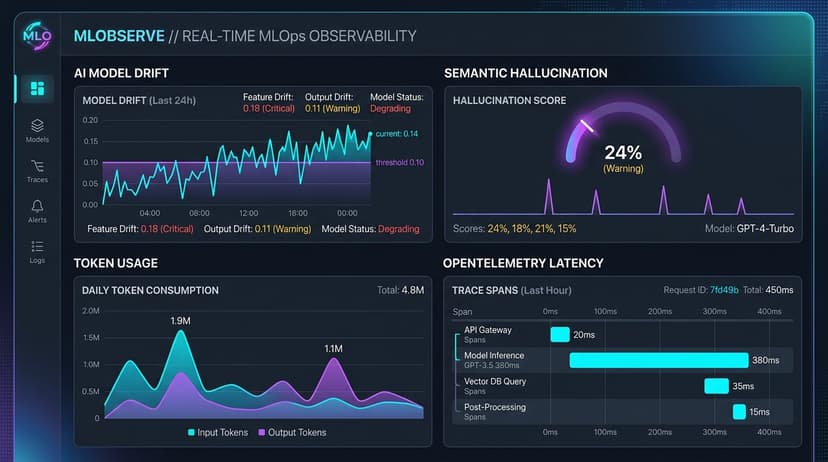
Monitoring model drift, semantic hallucinations, token usage, and API latencies in production.
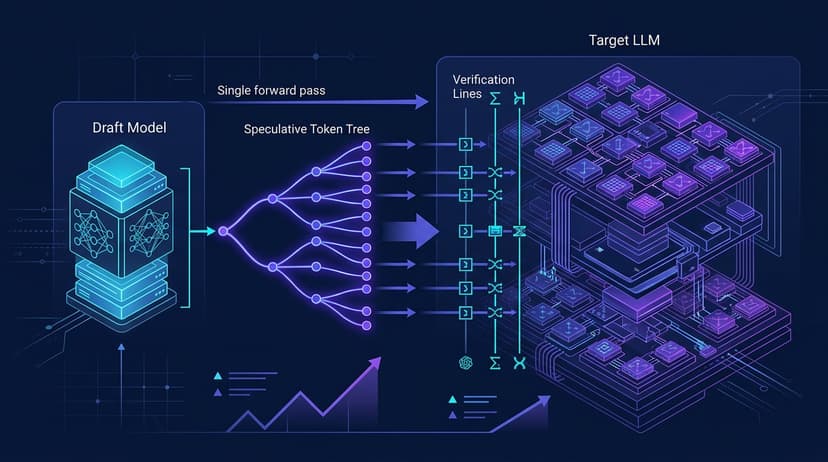
Using smaller draft models to propose tokens and letting larger target models validate them in parallel.
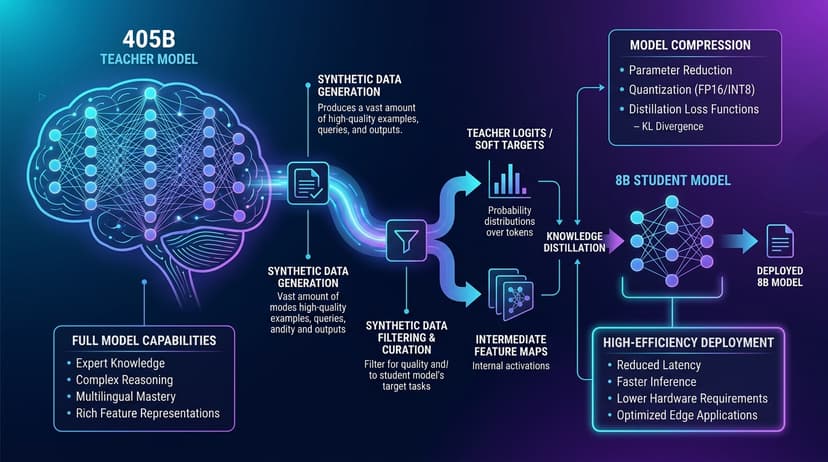
How to generate high-quality training datasets from frontier models to train domain-specific open models.
Reducing model sizes post-training without degrading operational perplexity.
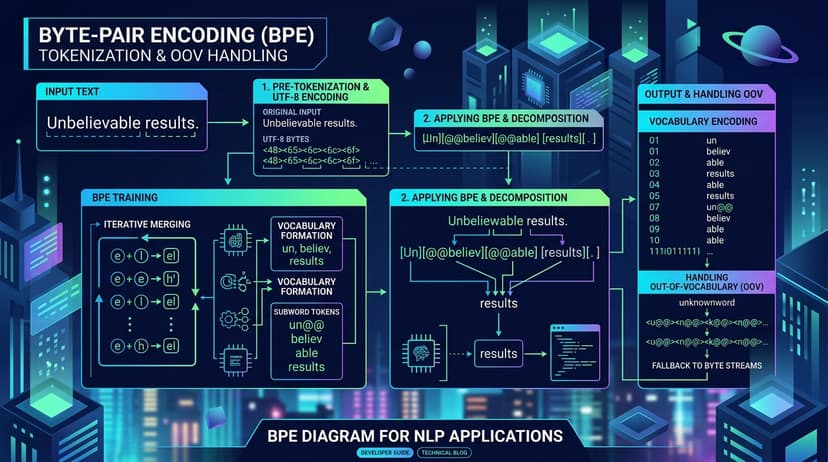
How tokenization impacts cost, prompt injection risks, and multilingual context limits.
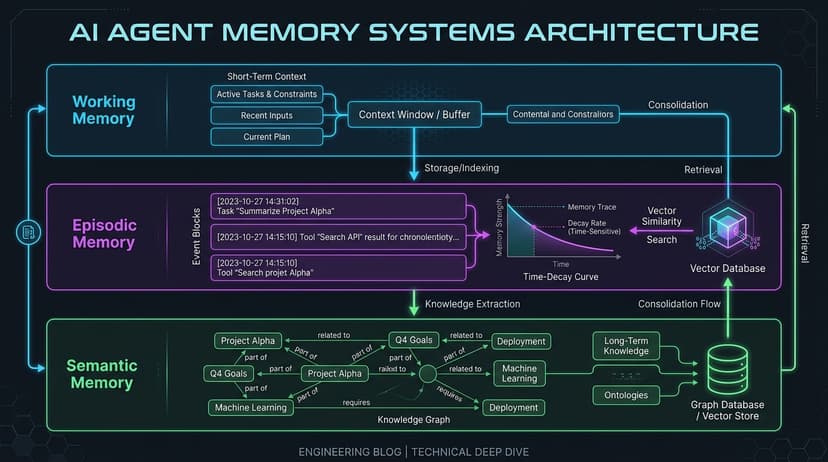
Architecting storage systems that mimic working memory, episodic memory, and semantic knowledge.
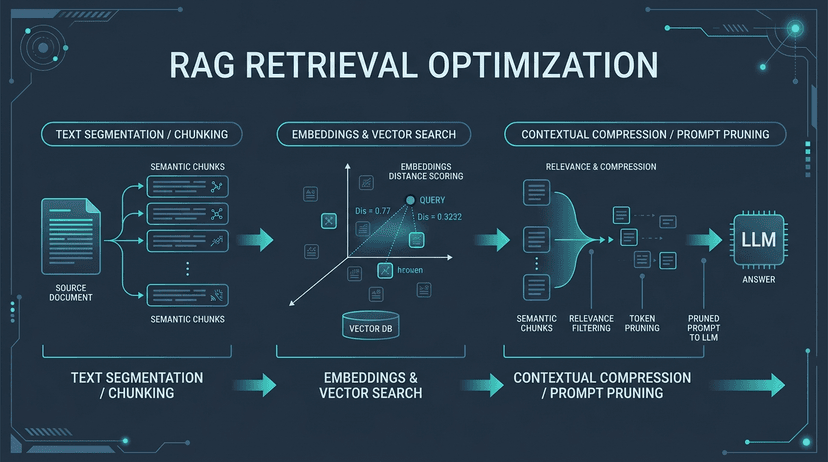
Using LLM summarization and token-distance thresholds to feed cleaner context window segments.
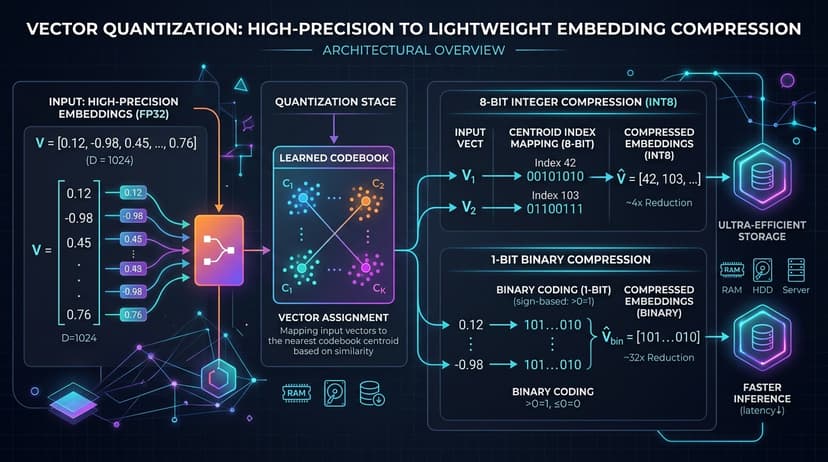
How to reduce vector store memory footprints by 90% while maintaining semantic recall.
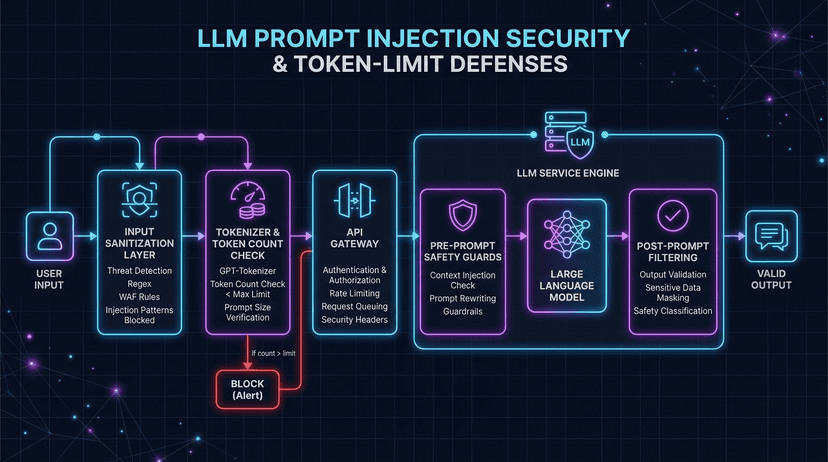
Hardening LLM application layers against indirect prompt injection and system prompt leakages.
Evaluating index maintenance overhead, vacuum behavior, and cost of specialized hardware vs RDS.
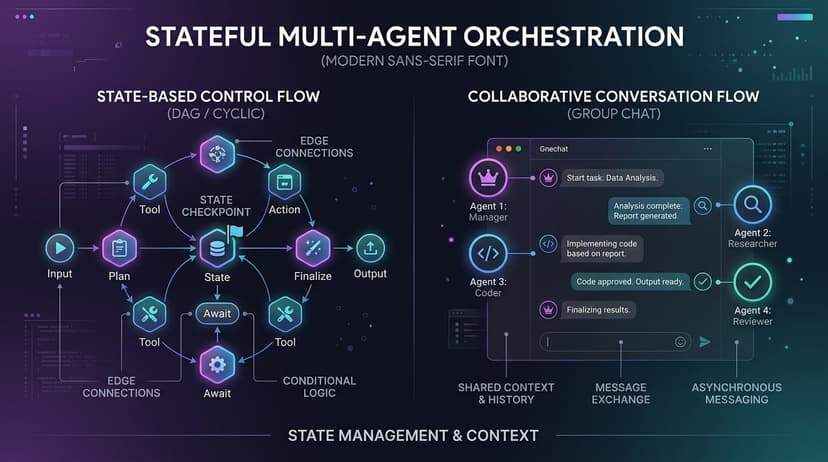
Handling cyclic execution loops, agent coordination, and long-term memory persistence.
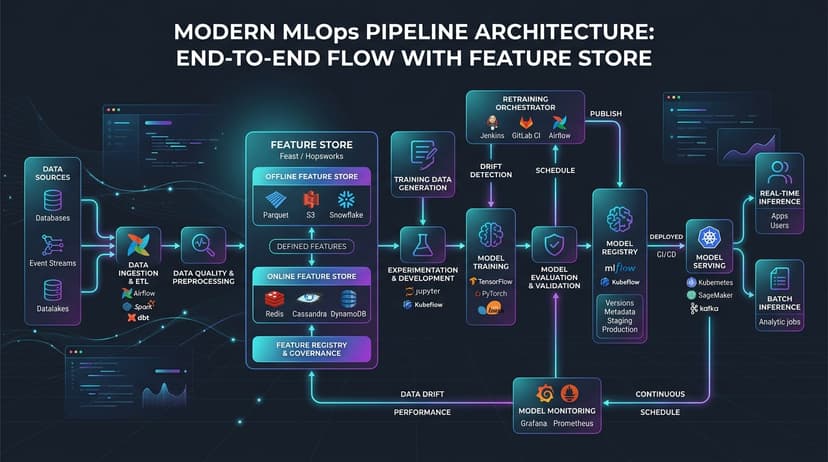
Securing data consistency between offline training datasets and online production features.
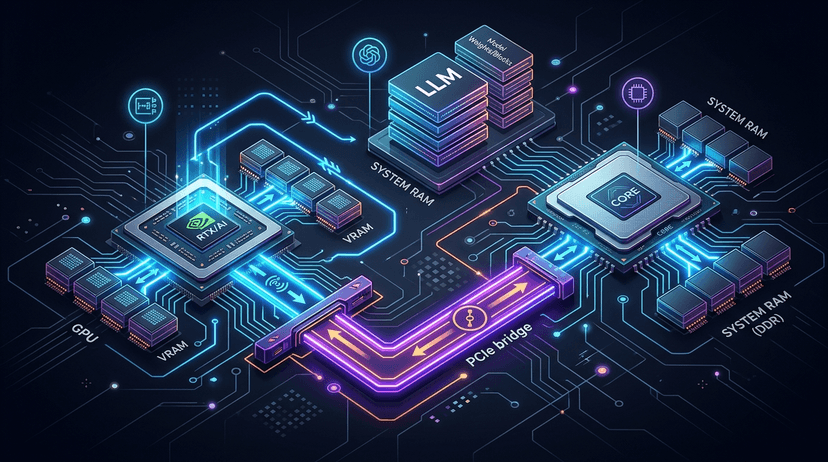
Analyzing CPU/GPU memory bandwidth bottlenecks when running quantized open-weights models.
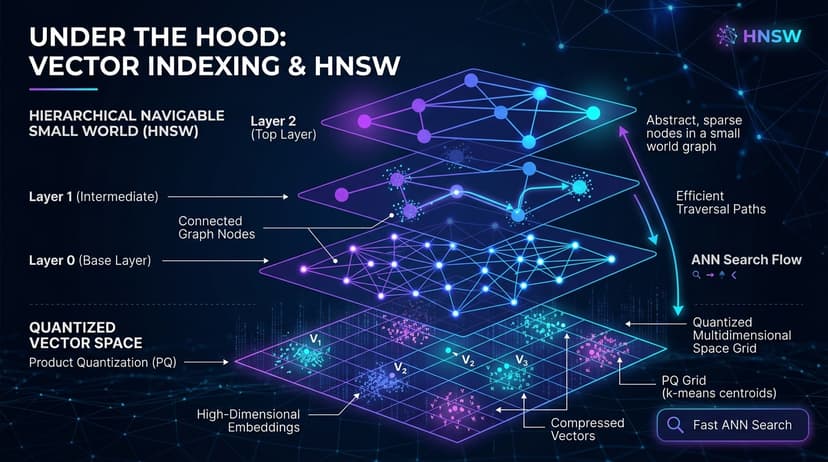
Understanding proximity graphs, quantization, clustering, and search speed/recall tradeoffs.
Extracting structured entity relationships to resolve multi-hop reasoning questions in LLMs.
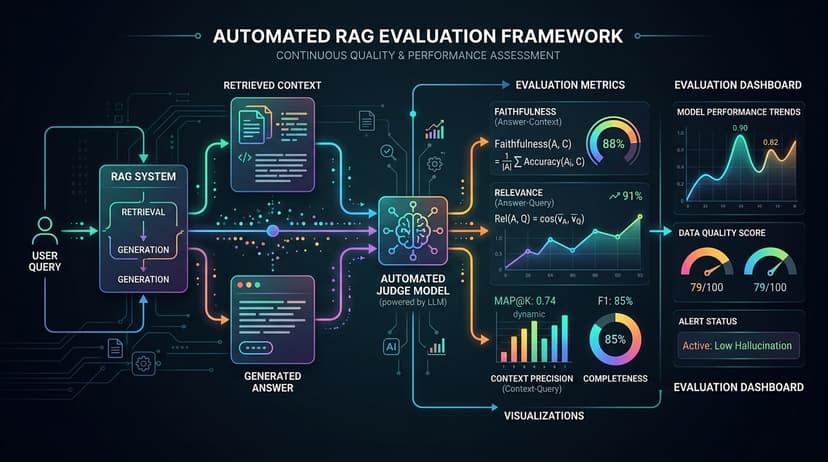
Measuring faithfulness, answer relevance, and context recall using LLM-as-a-Judge paradigms.
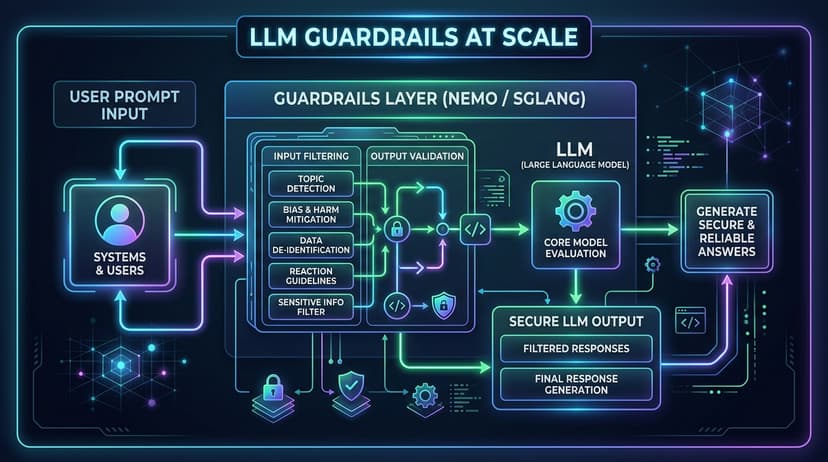
Latency-sensitive architectures using Llama Guard, NeMo Guardrails, and regex-guided JSON parsers.
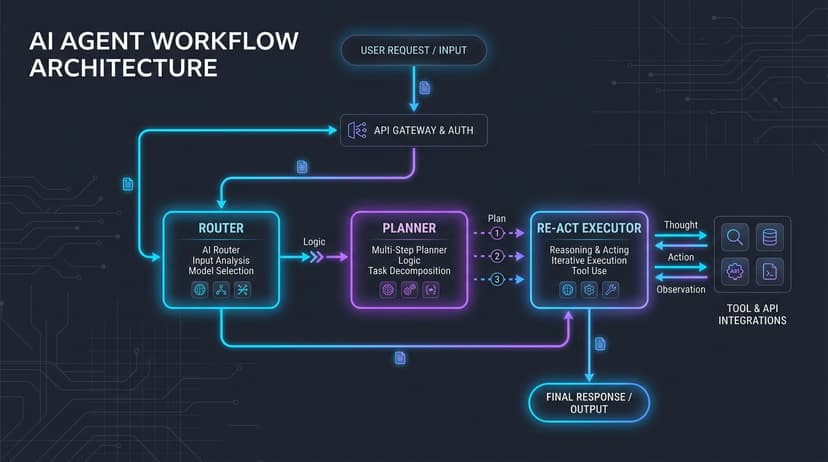
Designing deterministic state machines for complex LLM tool-calling and self-correction loops.
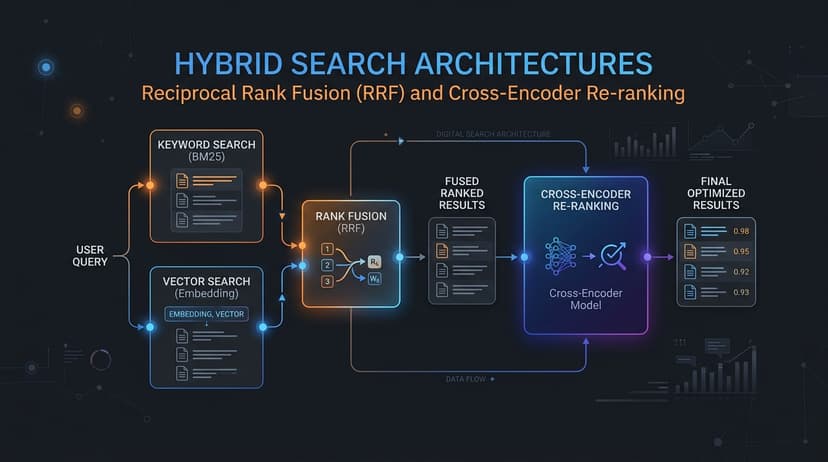
Combining sparse lexical retrieval with dense vector search to achieve production-grade accuracy.
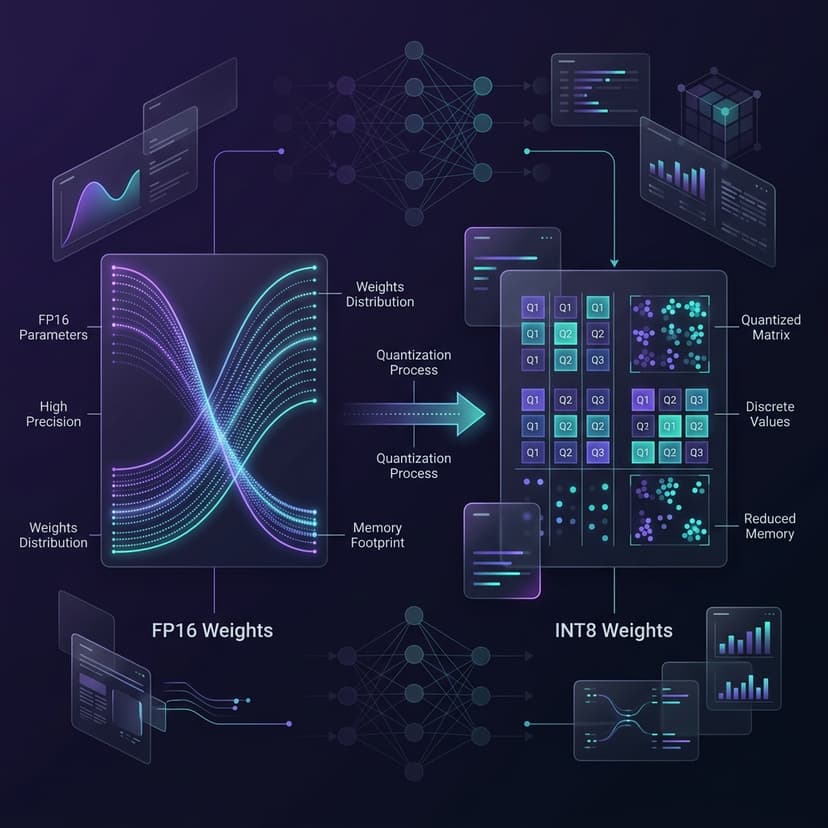
A deep dive into sub-8-bit quantization techniques, activation scaling, and hardware support.
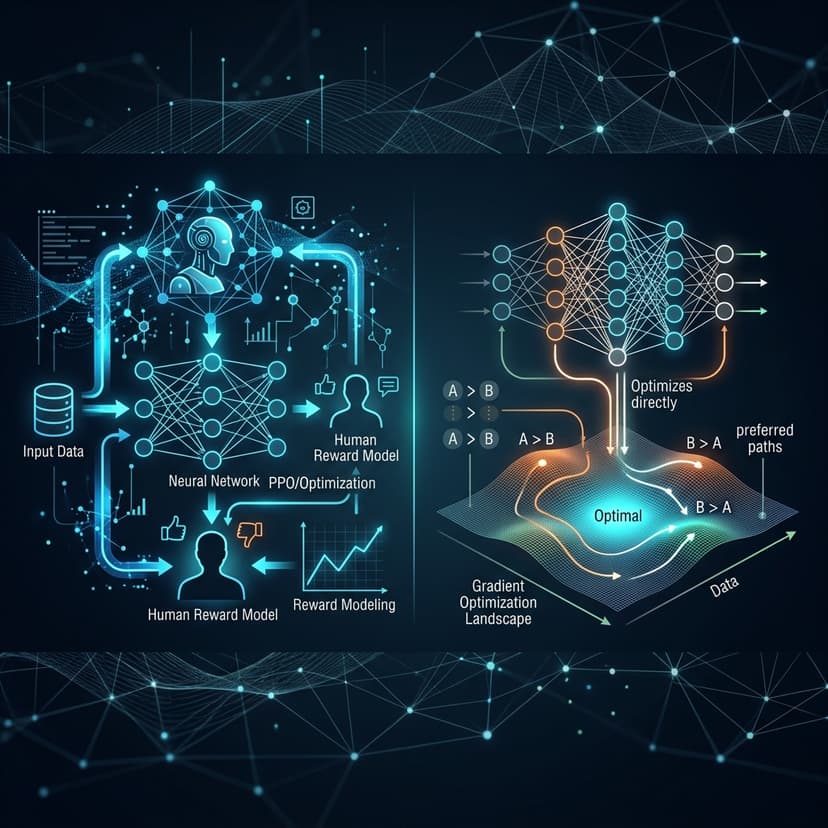
Comparing Reinforcement Learning from Human Feedback with Direct Preference Optimization.
How Google's new GenUI framework enables developers to build dynamic, context-aware, AI-generated interfaces with minimal code.
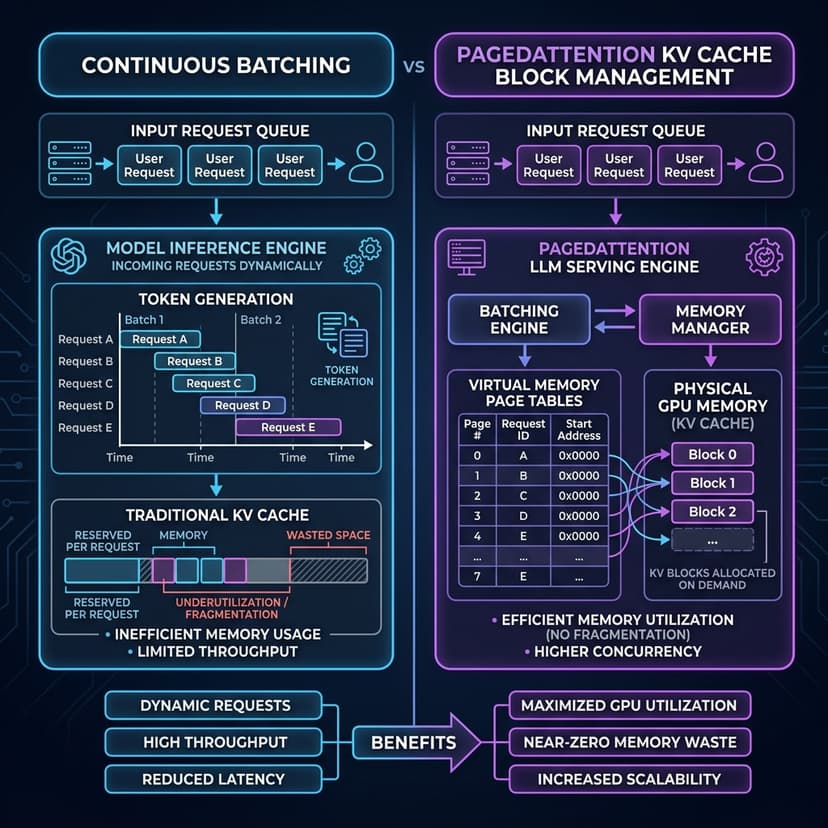
How vLLM and Hugging Face TGI eliminate memory fragmentation to maximize GPU concurrency.
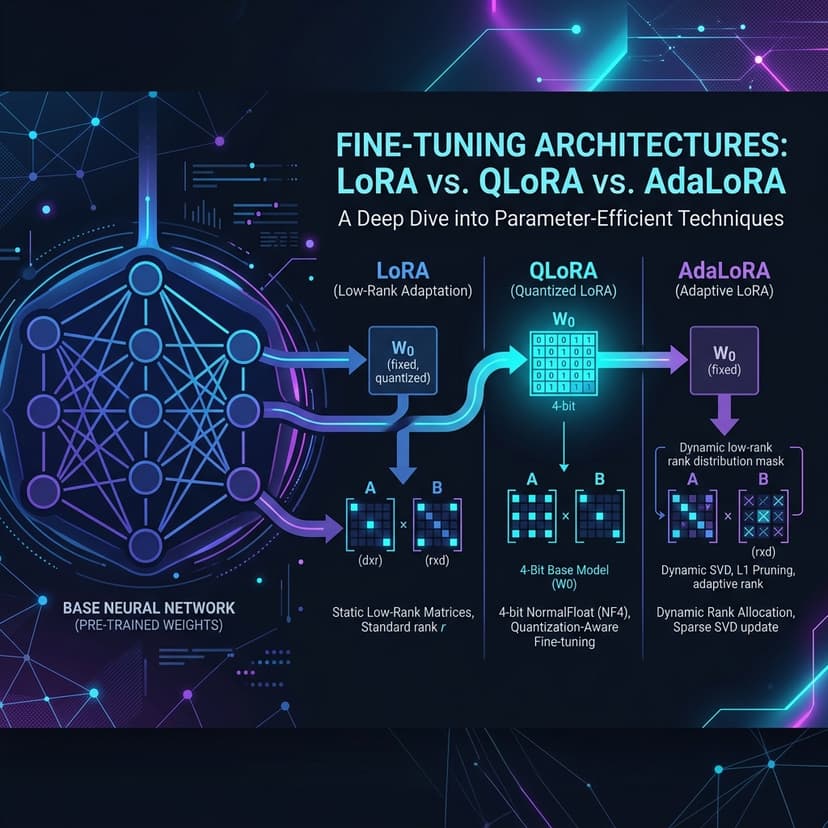
A mathematical and practical comparison of low-rank adaptation methods for fine-tuning LLMs.
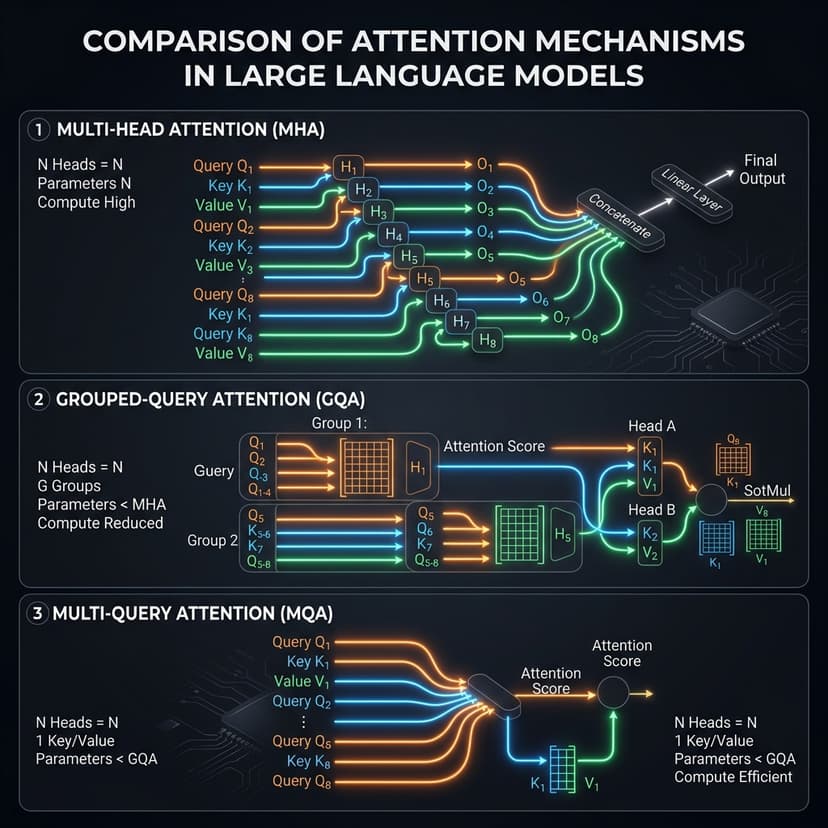
How modern LLM architectures optimize KV cache memory bandwidth during long-context decoding.
Optimizing semantic search architectures by separating retrieval chunks from synthesis chunks.
An in-depth analysis of routing, data fetching, server actions, and caching strategies in modern React frameworks.
How Chinese open-weights models like DeepSeek and GLM are challenging Silicon Valley’s premium compute paradigm.
Explore how to integrate MIPS Payment gateway in Expo apps
How Apple is quietly changing how developers build for iOS.
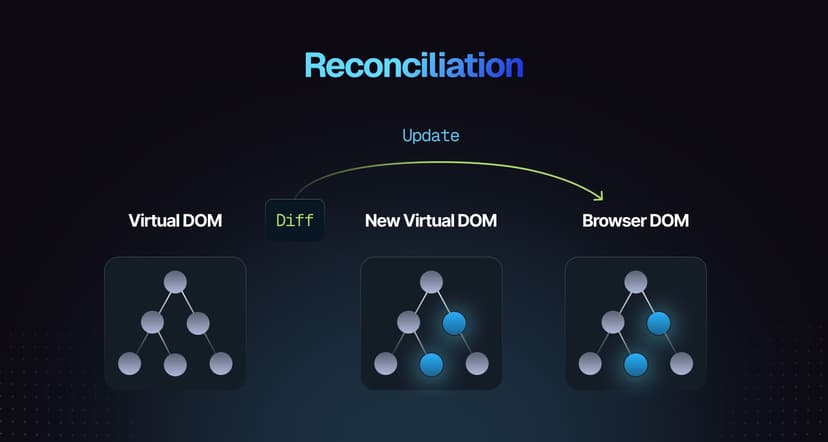
And how it affects app speed, user experience, and rendering.
Which cloud is better, and how do they really differ beyond the branding?
The evolution of APIs from rigid endpoints to flexible queries.
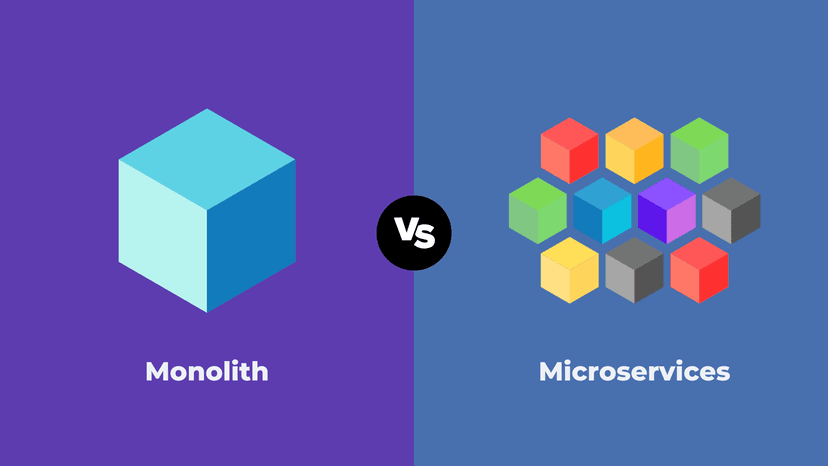
When the classic monolith still makes sense — and when it doesn’t.
A modern take on the data model debate, simplified.