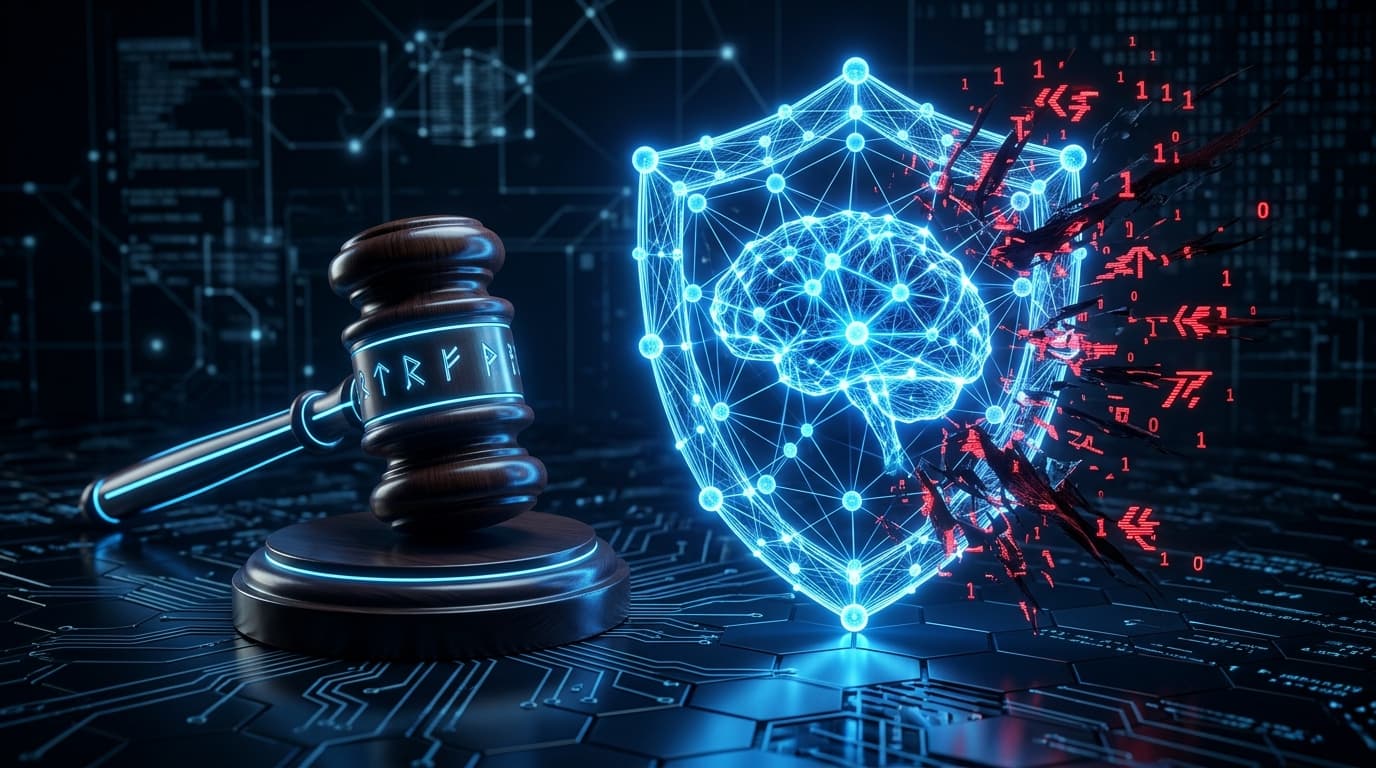

A U.S. federal judge has rejected a request by Elon Musk's xAI to temporarily halt Minnesota's law against non-consensual deepfake pornography. U.S. District Judge John Tunheim ruled that the state holds a compelling interest in protecting citizens from malicious synthetic imagery, refusing to grant a preliminary injunction while the broader lawsuit proceeds.
⚖️ The Legal Battle Against Deepfake Tools
Minnesota passed legislation aimed at curbing the proliferation of AI tools used to generate non-consensual sexually explicit content. The law imposes strict legal liability on individuals and platforms facilitating the creation or distribution of deepfake images created without consent.
In response, xAI—which operates the Grok AI model—filed a lawsuit against Minnesota state officials. xAI contended that the statute violates First Amendment guarantees of free expression and argued that the language of the law was unconstitutionally vague and overbroad.
🛡️ Judicial Findings and First Amendment Boundaries
Judge Tunheim's opinion emphasized that statutory restrictions on non-consensual explicit imagery address a severe form of digital harm. The court determined that xAI failed to demonstrate a high likelihood of success on its constitutional claims.
- Compelling Interest: Protecting individuals from digital harassment and privacy violations outweighs claims of unrestricted synthetic output generation.
- Narrow Tailoring: The court found the statute appropriately focused on non-consensual sexually explicit deepfakes rather than sweeping in protected artistic expression.
- Immediate Impact: Minnesota law enforcement and state authorities remain fully empowered to penalize illegal deepfake software providers.
[ Legal Dispute Framework ]
Minnesota Deepfake Law  --->  Bans Non-Consensual Synthetic Pornography
xAI Legal Challenge     --->  Claims First Amendment Protection & Overreach
Federal Court Ruling    --->  Denies Injunction; Minnesota Law Remains Active
🔮 Industry Implications and Regulatory Precedents
This ruling marks a significant judicial test case regarding state-level regulation of generative AI models and image manipulation tools. As platforms like Grok face increasing scrutiny over content moderation policies, courts are drawing clear lines between technological innovation and public protection.
The decision is expected to bolster efforts in other U.S. states seeking to enact similar consumer safety statutes targeting malicious AI applications.
🔗 Reference
- Original Article: Read the full story on TechCrunch