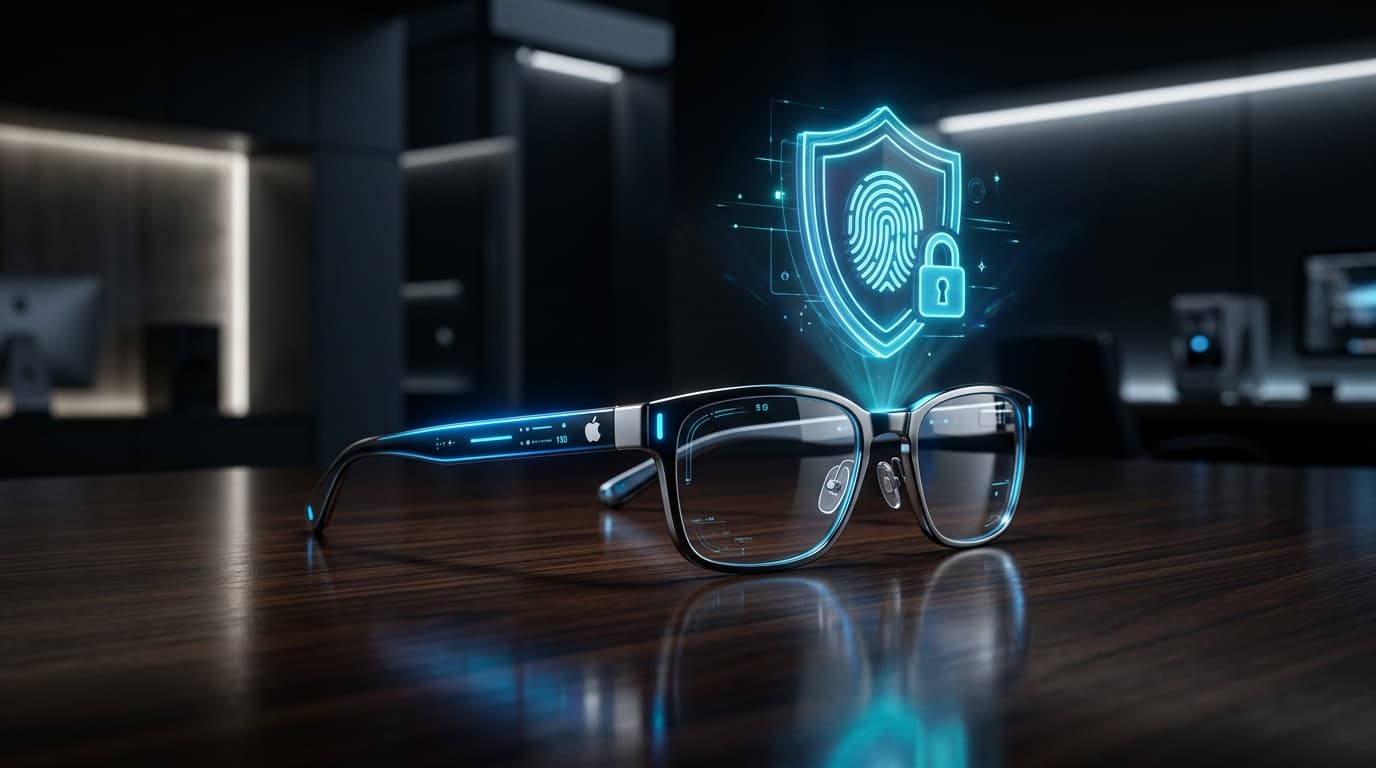

As Apple prepares to enter the smart glasses arena, the company is actively adjusting its product timeline and software architecture to prioritize consumer privacy safeguards. According to recent reports, Apple has shifted its target launch date to WWDC 2027, giving engineering teams additional runway to address public anxiety surrounding always-on cameras and covert recording capabilities.
🕶️ Strategic Launch Pushback to 2027
Initial internal timelines pointed toward an early 2027 debut for Apple's wearable smart glasses. However, updated reports indicate the device will be formally unveiled at the Worldwide Developers Conference in June 2027, with retail shipments commencing by late 2027.
- Target Unveiling: WWDC 2027 (June 2027).
- Commercial Availability: Late 2027 holiday quarter.
- Core Rationale: Refining hardware sensors and solidifying privacy-first messaging.
🔒 Learning from Meta's Stumbles
The market response to rival hardware, such as Meta's Ray-Ban smart glasses, highlighted major public backlash regarding sneaky video recording and non-consensual surveillance. For Apple—which positions user privacy as a central brand pillar—avoiding similar controversies is critical.
[Wearable Optics] ---> [On-Device Secure Enclave] ---> [Private Local AI]
                                                                |
                                             (NO Cloud Model Training / NO Facial Rec)
To counter privacy concerns, Apple's architecture will reportedly mandate:
- Strict On-Device Processing: Keeping audio and visual data localized to the device's chip set.
- No Cloud AI Training: Refusing to feed user camera feeds into external AI training pipelines.
- No Facial Recognition: Explicitly omitting real-time identity scanning from consumer software builds.
⚙️ Hardware and AI Safeguards
Unlike competitors that reportedly rely on third-party contractors to review flagged user footage, Apple plans to implement strict hardware-level indicator lights and cryptographically bound recording signals.
By keeping computer vision models running exclusively on local silicon, Apple aims to deliver contextual augmented reality without creating a persistent surveillance threat in public spaces.
🔮 The Road Ahead for Wearable Tech
Apple's cautious strategy reflects a broader shift in consumer hardware development. As artificial intelligence moves from screen-based chat interfaces to ambient wearable devices, user trust will be the ultimate differentiator. Whether Apple can deliver compelling smart glasses while maintaining its stringent privacy promises will shape the future of ambient spatial computing.
🔗 Reference
- Original Article: Read the full story on TechCrunch