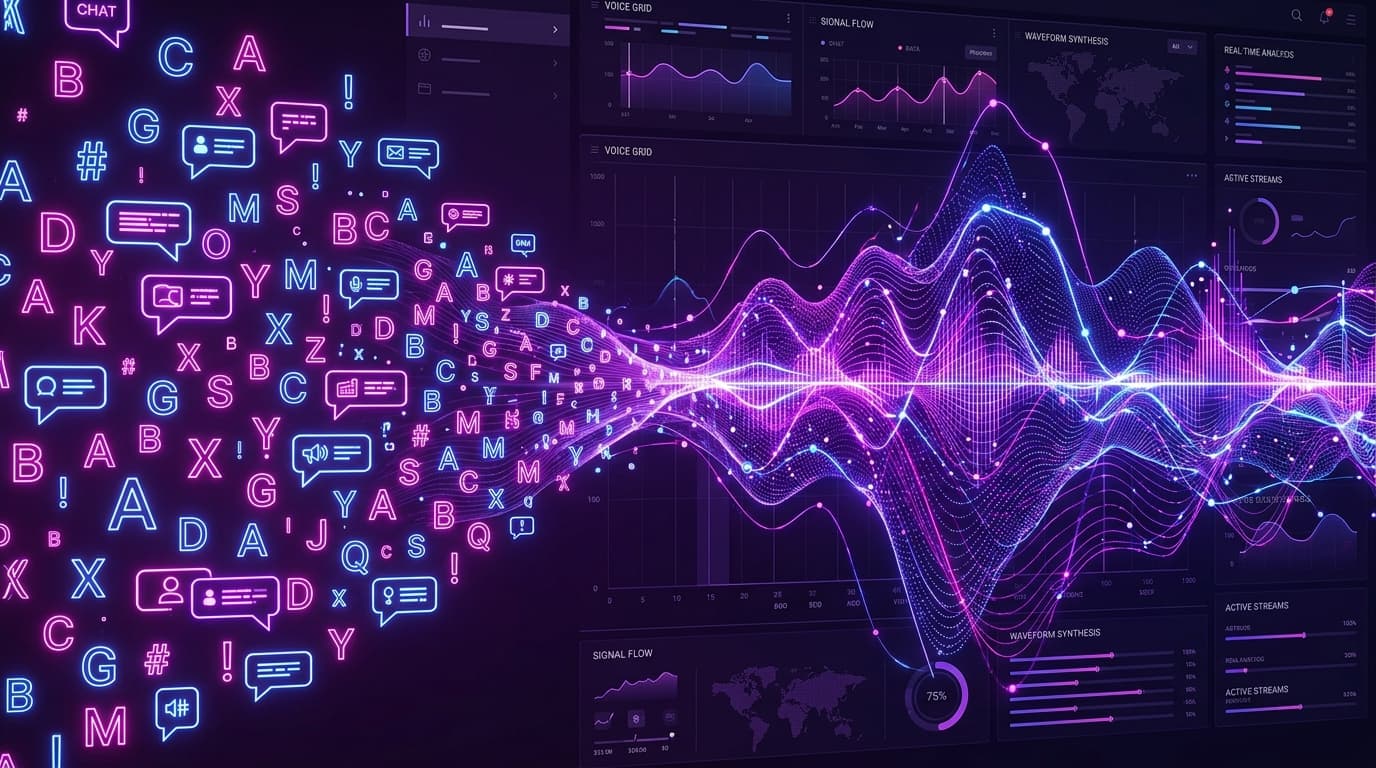

Generative artificial intelligence has democratized written communication, enabling anyone to produce polished prose in seconds. However, linguists and researchers warn that this reliance is triggering an unintended side effect: linguistic homogenization, where human writing and speech are rapidly converging into a standardized, machine-preferred vocabulary.
🔤 The "Delve" Effect and LLM Vocabulary Drift
A study conducted by researchers at the Max Planck Institute revealed that specific words over-indexed by large language models (LLMs) during training are bleeding into everyday human communication. Words like delve, meticulous, tapestry, realm, and adept have experienced unprecedented spikes in both written publications and spoken media.
[LLM Token Probabilities] ──> [Repeated AI Suggestions] ──> [Human Adoption] ──> [Linguistic Homogenization]
Researchers analyzed thousands of hours of academic video content and podcasts, finding that creators began using AI-favored terms up to 51% more frequently following the widespread adoption of ChatGPT and Claude.
📈 Key Findings on Uniformity
- Vocabulary Spike: The frequency of the word "delve" in academic papers and online essays increased exponentially compared to pre-2022 baselines.
- Loss of Individual Voice: Personal writing style, regional idioms, and unique sentence structures are increasingly flattened into a uniform corporate tone.
- Perception Penalty: While AI polishing improves grammar, readers report recognizing "AI speak" instantly, often viewing the writer as less authentic or low-effort.
- Emotional Flatness: Standardized AI tone reduces emotional nuance, making strategic pitches and personal essays sound identically formulaic.
🎭 The Authenticity Paradox in Professional Settings
In corporate communications, the rise of homogeneous AI prose creates a paradox. While emails and proposals appear grammatically flawless, they lose distinctive personal branding. HR leaders and hiring managers report receiving hundreds of cover letters with nearly identical opening phrasing and vocabulary structures.
To stand out, some executives are intentionally reintroducing colloquialisms, personal anecdotes, and raw unedited prose to signal human authenticity in their communications.
🔮 Preserving Human Expression in the AI Era
As AI assistants become embedded into operating systems, web browsers, and word processors, maintaining a distinctive personal voice requires conscious effort. Experts advise treating AI suggestions as a rough skeleton rather than a final draft, deliberately substituting generic vocabulary with authentic human expression.
🔗 Reference
- Original Article: Read the full story on Morning Brew